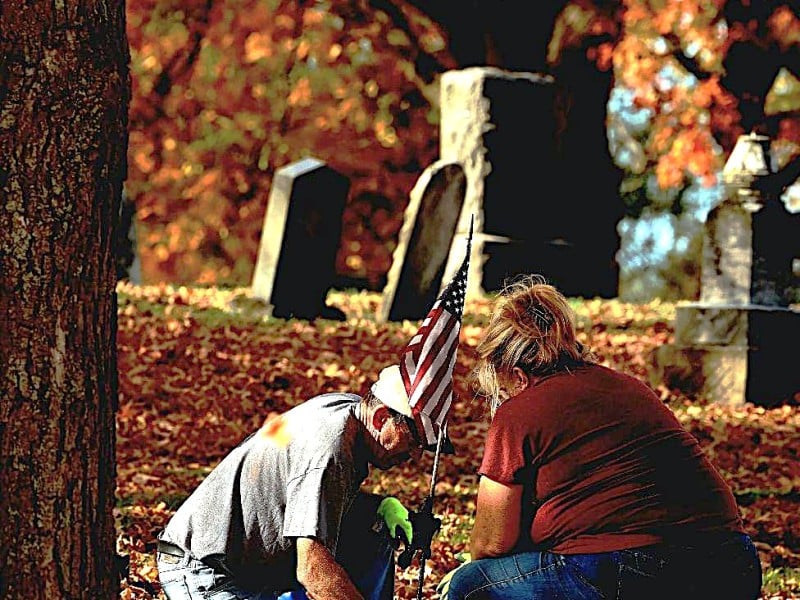
Fall season is time for fire safety checks
THUMB AREA — With the onset of cooler weather and gas furnaces kicking on for the first time this season, it may be a timely reminder that fire safety starts long before an emergency arises.
Whether you’re at home, on the road or running a business, taking a few proactive steps can make a big difference in protecting what matters most.
Fire experts say preparation is the foundation of having peace of mind and protection. Routine maintenance, awareness, and the right equipment can help prevent fires before they start and minimize damage if they do. Below are key fire safety tips to keep your home, vehicle, and workplace safe year-round, including important seasonal advice for fall cleanup.
Home fire safety
Your home should be a place of comfort and security. Regularly reviewing your fire safety plan helps ensure that it stays that way.
- Check smoke alarms and extinguishers: Test alarms monthly and replace batteries twice a year. Make sure you have a fire extinguisher on every level of your home.
- Practice an escape plan: Every household member should know two ways out of every room and where to meet outside.
- Keep heat sources clear: Maintain at least 3 feet of space around fireplaces, space heaters and candles.
- Use appliances safely: Don’t overload outlets, and unplug small appliances when not in use.
- Clear leaves and debris: Dry leaves, pine needles and yard debris can ignite easily. Keep gutters, roofs and yards free from accumulation to reduce fire risk near your home.
- Dispose of yard waste safely: Avoid burning leaves or debris. Instead, compost or dispose of them through local waste services. Burning yard waste can quickly get out of control, especially during dry conditions. Be sure to follow local regulations from your city or town.
Stay kitchen-aware
Most home fires start in the kitchen — never leave cooking food unattended.
With cooler weather making an appearance, now is the perfect time to make sure your home has working carbon monoxide alarms. Carbon monoxide is a colorless, odorless gas that can be deadly before you even realize it’s present. Recent national safety facts from the National Fire Protection Association:
- From 2016 through 2020, carbon monoxide alarms were present in only 47% of reported home heating fire deaths.
- In 2020, local fire departments responded to an estimated 54,500 non-fire carbon monoxide incidents in the United States.
- In 2023, local fire departments responded to an estimated 67,500 non-fire carbon monoxide incidents.
- NFPA reports show non-fire CO incidents remain a significant and ongoing emergency response issue nationwide.
According to fire experts, these numbers are a serious reminder that carbon monoxide is a year-round danger, especially during the colder months when heating systems are used more frequently.
How can you protect your family?
Install carbon monoxide alarms outside each separate sleeping area and on every level of your home. Test your alarms regularly and replace them according to the manufacturer’s instructions.
Have your furnace, chimney and fuel-burning appliances inspected and serviced annually by a qualified professional. Never run a generator, grill or vehicle inside your home or garage, even with the garage door open. Never ignore symptoms such as headaches, dizziness, nausea, weakness or confusion.
If your CO alarm sounds
Get everyone outside into fresh air immediately and call 911 from outside. Do not go back inside until emergency responders say it is safe. A working carbon monoxide alarm could save your life or the life of someone you love. Take a few minutes today to check your alarms!
Heating and chimneys
- Inspect heating systems: Have a professional service clean your furnace or boiler before turning it on for the season.
- Clean chimneys: Sweep your chimney and fireplace annually to remove dangerous creosote buildup.
- Maintain clearance: Keep space heaters, portable heat sources and fireplaces at least 3 feet away from curtains, furniture, bedding and other combustibles.
- Plug directly into walls: Never plug space heaters into extension cords or power strips, and turn them off when you leave the room or go to sleep. Never use an oven to heat your home.
Smoke and carbon monoxide alarms
- Test monthly: Check your smoke and carbon monoxide (CO) alarms every month.
- Change batteries: Replace batteries twice a year (a good habit is to do this when changing clocks for daylight saving time), and replace any smoke alarm older than 10 years.
Heating systems
Heating systems are used more heavily in the fall, making them a common source of fire hazards. Regular inspection ensures safe operation and prevents fire risks.
- Schedule professional maintenance for furnaces, boilers and heat pumps.
- Inspect for gas leaks, faulty vents and carbon monoxide hazards.
- Clear obstructions from vents and chimneys to prevent overheating or smoke buildup.
- Check for frayed or damaged cords and replace them immediately.
- Avoid overloading outlets or circuits and consider a professional electrical inspection to identify hidden hazards.
Addressing common fall fire hazards
Certain seasonal activities increase the risk of fires. Proactive measures can mitigate these hazards. Holiday decorations can be flammable if not properly managed:
- Use fire-resistant materials whenever possible.
- Keep decorations away from heat sources and exit routes.
- Never leave lit candles unattended.
Combustible materials
Autumn leaves, packaging and storage can create hidden fire hazards. Store flammable liquids and materials away from ignition sources, and maintain clear pathways and exits free of obstructions. You should also properly dispose of leaves, cardboard and other yard waste.
The importance of fire alarm monitoring
Investing in a monitored fire alarm system ensures immediate response to potential fires. A monitored system provides 24/7 protection, alerting emergency services as soon as a fire is detected. This added layer of security helps prevent minor incidents from turning into major disasters. Implementing these tips creates a safer work environment, protects property and ensures your business is prepared for seasonal fire risks.