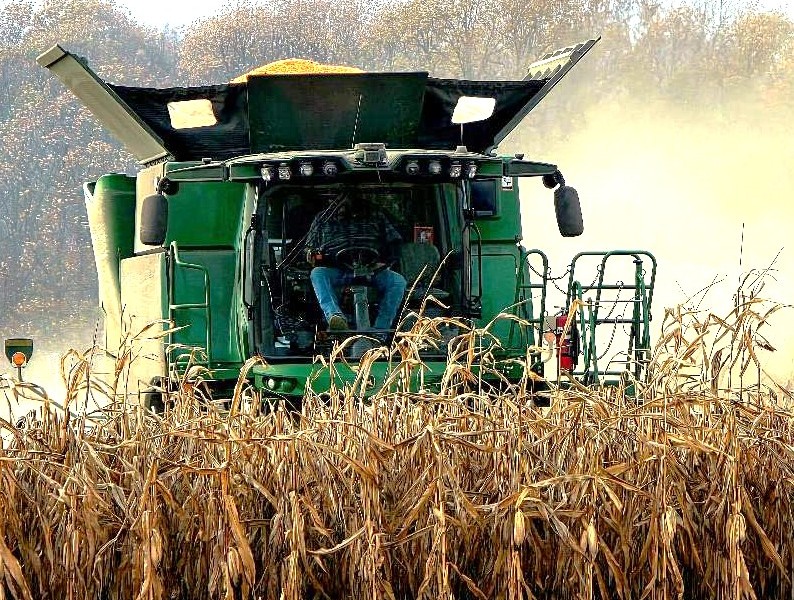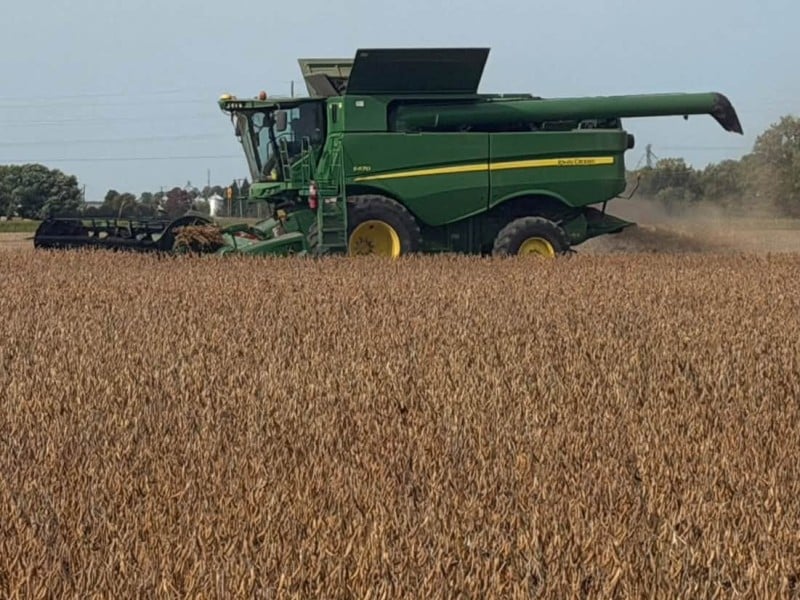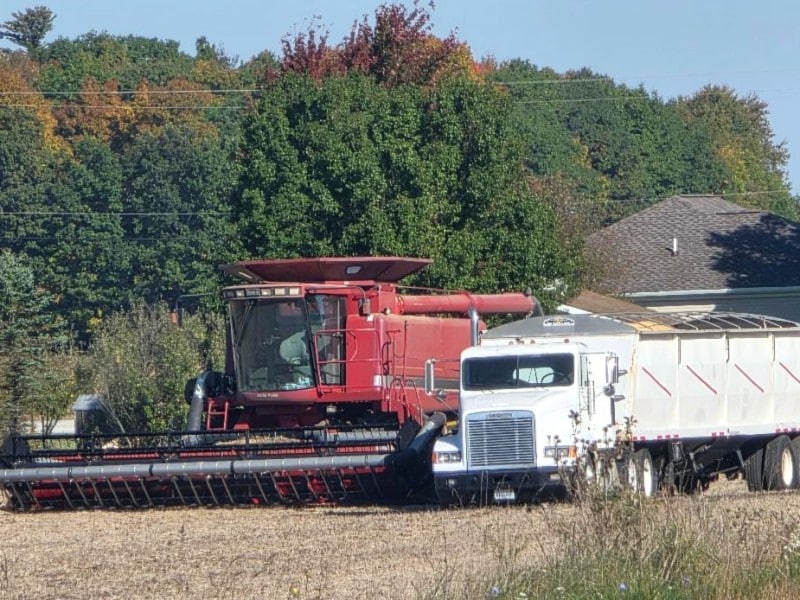
Area farmers wrapping up harvest
TRI-CITY AREA — Farmers throughout the Thumb region are putting the wraps on the majority of the 2026 fall harvest, with the last of corn and sugar beets being taken off in the past few weeks. A few late soybeans were taken off in Lapeer and St. Clair counties last week. Some sugar beet growers in the Thumb have had to stop picking the beets, due to the recent warm temperatures.
Processing plants in Croswell and Bay City, among other facilities owned by Michigan Sugar, are not able to pile beets like normal during the warmer days. Cooler temperatures are predicted for next week and will most likely help growers resume their harvesting of beets.
Growers across the area have taken advantage of an unusually warm and dry fall season to complete their fall field work and the spreading of lime and other fertilizers.
Typically, a majority of growers have harvesting done by Thanksgiving, but still have fall tillage to be done. However, with favorable weather conditions this year, fields are being plowed or disked in preparation for the winter season and with an eye on spring planting intentions.
Fremont Township grower Dennis Gardner said their fall harvest is wrapping up and they are just waiting to harvest the last of their sugar beets. “It’s been a really nice fall in general,” he said. “The weather has been pretty nice for getting the beans and corn off. We are done with both of those and will finish our beets in the next few days.”
Gardner says between rented land and acres they own, the farm works around 2,500 acres of crops each year. This year, they had around 600 acres of sugar beets, custom-harvested another 600 acres for local growers and then took in 300 acres of corn and 1,200 acres of soybeans.
“The soybeans yielded really well,” Gardner continued. “They went over 65 bushels per acre. The corn was pretty average. I think we were over 200 bushels per acre with that. Every field is different, so the yields will vary.”
According to farm websites, corn harvesting is a process of gathering mature dent corn for livestock feed, ethanol, and industrial products, which reached 88% completion across the top 18 U.S. corn-growing states as of mid-November 2026. Growers keep a close eye on moisture content as the natural fall drying season progresses.
Farmers typically start combining field corn around 20% to 26% grain moisture to balance drying costs against field losses like stalk lodging or ear drop. While some growers have drying facilities at their farms, others haul the crops to local elevators for drying, storage and marketing.
A number of growers throughout the Thumb area and in Canada bring their harvested corn crop to the ethanol plant in Marysville rather than trucking their harvested crops hundreds of miles to shipping ports in Maumee, Ohio. Gardner says they have contracts to ship their corn to the ethanol plant in Marysville while their soybean crop is sold to Star of the West Milling and shipped to a processing plant on the other side of the state.
Grain stores best at roughly 15% moisture to prevent mold and spoilage in bins. Prior to the harvest getting under way, producers check black layer formation at the kernel base, milk line progression, kernel denting, and stalk strength before running their harvest equipment.
This year for the Thanksgiving season, many producers will be able to gather with loved ones and give thanks for a bountiful harvest, good weather and safety throughout the fall season.